Understanding why a slot feels thrilling and a live table feels social helps you make smarter money choices. Game studios embed psychological tricks that keep you glued to the screen, while regulators try to balance excitement with safety. As of 2026, Australian players can find these designs on sites such as Jackpot Jill, which showcases many of the tactics described below.
The Core Principles of Casino Game Psychology
Intermittent Reinforcement and the “Near-Miss” Effect
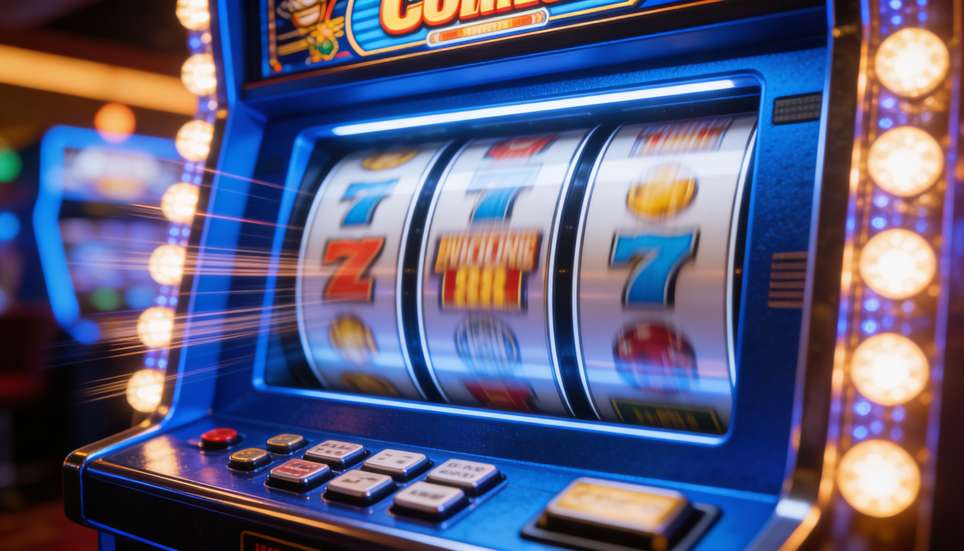
Designers program reels to stop just short of a jackpot, creating a near‑miss that floods the brain with dopamine. Researchers like B.F. Skinner proved that unpredictable rewards generate stronger habit loops than steady payouts. When a player sees two matching symbols and a third that almost aligns, the brain treats the loss as a win, prompting another spin.
Variable Ratio Schedules and Dopamine Loops
Developers set reward intervals so that a win appears after an uncertain number of bets. This variable‑ratio schedule fuels continuous play because the brain cannot predict when the next payout arrives. Games such as *Golden Joker Hold and Win* and *Magic Mirror* sprinkle tiny wins throughout long losing streaks, keeping the dopamine system active.
How Game Mechanics Leverage Cognitive Biases
| Game Feature | Targeted Cognitive Bias | Example from Industry |
| Visual/Audio Cues (Lights, Celebratory Sounds) | Illusion of Control | Golden Joker Hold and Win (Stakelogic) – The respin feature with flashing lights makes players feel their timing or choice influenced the outcome. |
| Small, Frequent “Wins” (Low Volatility) | Gambler’s Fallacy | Blazing Star (Merkur Gaming) – Quick, small payouts trick players into believing a big win is “due” after a few losses. |
| Progressive Bonus Rounds | Sunk Cost Fallacy | Age of the Gods Live (Playtech) – Players stay longer after investing time in the bonus feature to avoid “losing” their progress. |
| “Next Card” Reveals in Live Dealer | Availability Heuristic | Live Baccarat (Playtech) – Recent winning hands feel more probable than they actually are, influencing betting decisions. |
| Autoplay and Turbo Spin Options | Cognitive Ease | Magic Mirror (Merkur Gaming) – Reduced friction and speed encourage continuous, mindless play without time for reflection. |
The Role of Reward Schedules in Slot and Table Games
Chasing Losses and the “Just One More Spin” Trap
Designers know that loss aversion makes a $10 loss sting more than a $10 win feels good. When a player drops money, the variable schedule whispers that the next spin could recover the loss, prompting a chase. Low‑stakes titles like *Couch Potato* let players extend sessions while they hunt for that elusive comeback.
Game Speed and Immersion – Why Turbo Modes Are Dangerous
Operators add turbo buttons to shave seconds off each spin, reducing the window for rational thought. Fast play pushes the prefrontal cortex to the background, letting the reward system dominate decision‑making. Titles such as *Barnstormer Bucks* and *Blazing Star* exploit this by offering high‑speed modes that can lead to rapid bankroll depletion.
Emotional Triggers in Live Dealer and Video Slot Environments
The Social Component of Live Dealer Games
Live platforms introduce a human dealer who smiles, chats, and acknowledges each bet. This pseudo‑social interaction builds trust and makes players feel obligated to stay at the table longer than they would with a purely virtual slot.
“Losses Disguised as Wins” (LDWs)
When a spin returns less than the original stake, the game still flashes “Congratulations” and plays triumphant music. The brain registers a win despite a net loss, reinforcing the desire to continue. Slots like *Fire and Roses Joker* rely on LDWs to keep players engaged.
The Fine Line Between Engagement and Problem Gambling
Responsible operators embed self‑exclusion tools, time‑out reminders, and clear loss limits. However, when designers prioritize retention over safety, the line blurs. Players who recognize near‑misses, LDWs, and turbo spins can set personal boundaries, such as pre‑defining session length or using third‑party budgeting apps.
Author
Jonas Winkler evaluates iGaming user experiences and writes platform reviews; he holds a master’s in interactive design and advises Australian regulators on ethical game mechanics.
FAQ
Why do slot machines use bright lights and sounds?
Bright lights and loud sounds trigger dopamine release, making even tiny payouts feel rewarding and encouraging continuous play.
What is the “near-miss” effect in casino games?
A near‑miss displays an outcome just short of a win, activating the same brain pathways as a real win and prompting another spin.
Are live dealer games psychologically different from slots?
Live dealers add a social element that creates trust and a sense of obligation, while still relying on the same bias‑driven mechanics as slots.
How do game providers like Stakelogic and Iron Dog Studio design for retention?
They combine volatile math models with features like hold‑and‑win loops or high‑risk turbo modes to sustain player engagement.
Can understanding these principles help players gamble more responsibly?
Recognizing tricks such as near‑misses, LDWs, and variable rewards lets players set stricter limits and avoid impulsive spending.